Blog

  • Combined Rwenzori Trek and Big Five Safari

    Combined Rwenzori Trek and Big Five Safari

    Travel and explore the best safari destinations on the African continent in the guidance of Primate Safari Experiences. The continent is a home to over 55 countries scattered in different sub regions – East, west, North and southern part. Among these regions include the East African region which includes; Uganda – the pearl of Africa, the magical Kenya, and the mighty Republic of Tanzania. While looking for the suitable destination for the safari, Uganda is ready to welcome you with a smiling face.

    Stretching over an area of approximately 241,038 square kilometers, Uganda is a home to various attractions including the African third highest mountain – Rwenzori and other wildlife and primate destinations. For a splendid and amazing adventure, a combined Rwenzori climbing and big five safari is designed for you so as to ease your movements, plans and also gain enough knowledge about the destinations.

    Rwenzori Hiking Experience

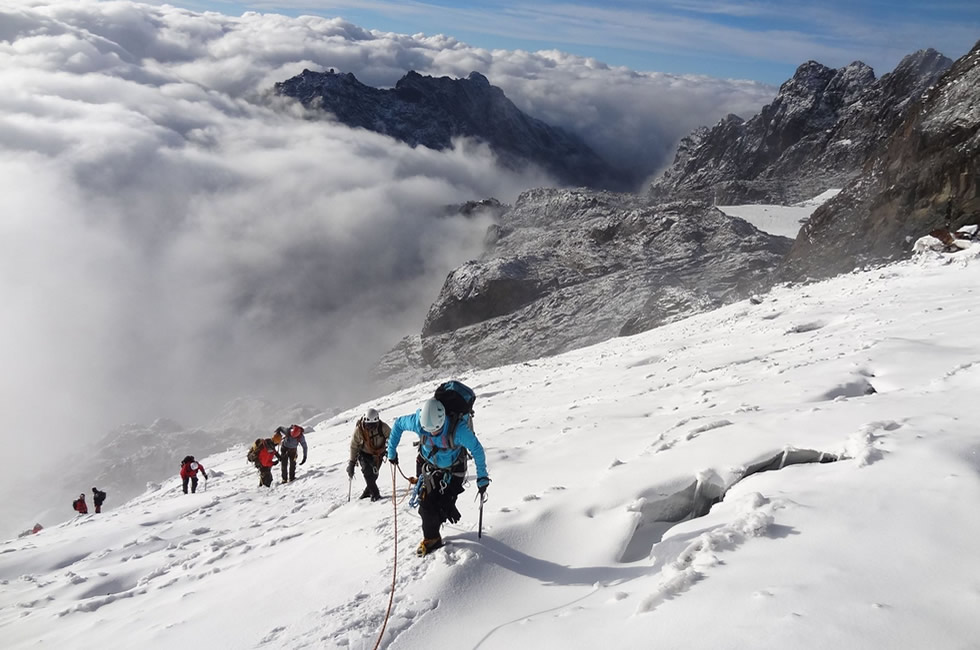
    In this combined trip, you will hike up to the summit of the Rwenzori Mountains for about 6 to 9 days where you will enjoy the beautiful view and several features like waterfalls, lakes, rivers, rocks and the rare vegetation zone of the mountains. Protected by Rwenzori Mountains National Park, the mountains stand as the first highest mountain in Uganda and the third highest African mountain after Kilimanjaro of Tanzania and Mount Kenya.

    Rwenzori Mountains are a range of mountains located in the eastern equatorial Africa on the border between Uganda and Democratic Republic of Congo. The highest peak of the mountains – Margherita on Mount Stanley, one of the six massifs of the mountain reaches a height of approximately 5,109 meters and it’s known for being permanently snow-capped and glaciated. For one to reach to this highest summit he/she has to climb through different massifs and among these includes; Mount Speke at 4,890 meters, Mount Baker at 4,843 meters, Mount Emin at 4,798 meters, Mount Gessi at 4,715 meters and Mount Luigi di Savoia at 4,627 meters.

    For a perfect and safe Rwenzori hike to the mountain summit, there are two routes to use including Kilembe route which is governed by the private organization and the Central Circuit Route which is governed by the locals. All these routes can perfectly help you reach to Margherita though with different features on the way and at different costs.

    Big 5 Africa Watching

    From the mountains, you will proceed to other Uganda wildlife parks where you will watch the five big African animals during different park activities like game drive.

    Africa big five is a term coined in 1800s by the hunters, referring to the most challenging and dangerous animals to hunt on foot. Among the animals they categorized include the African elephant, Lion, Leopard, African buffalo and Rhinoceros. These big five African animals are present in Uganda and can be easily seen in the different wildlife and savanna national parks during the park activities like;

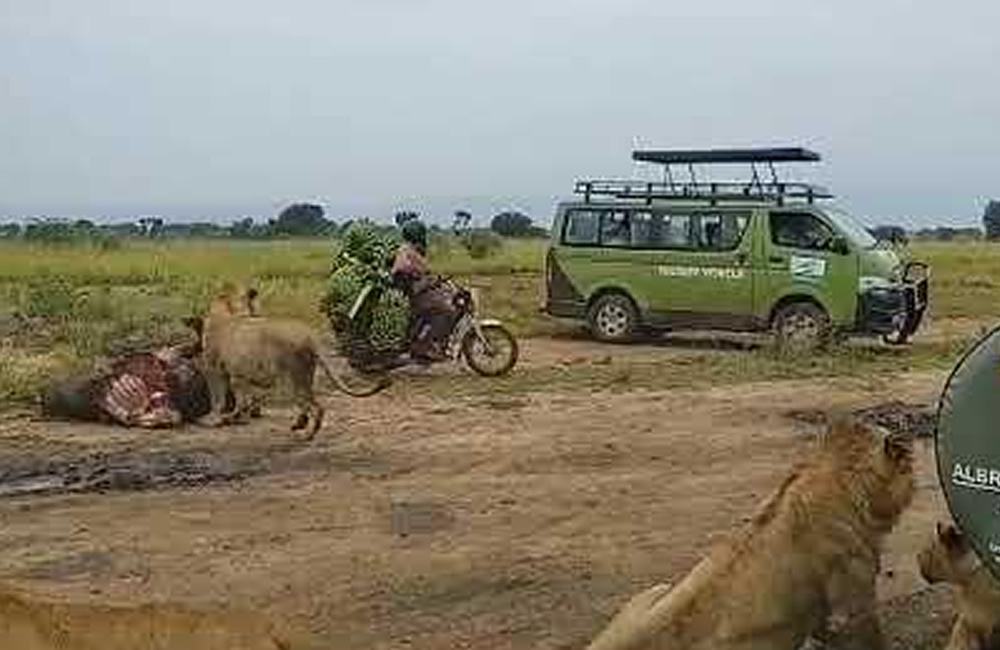
    A guided game drive in the national parks of Murchison Falls Park, Queen Elizabeth Park, Kidepo Valley and Lake Mburo will be the best way to watch the four of the five animals – Lions, African elephants, Leopards and African buffaloes.

    A boat cruise on the Nile in the Murchison falls Park and on Kazinga channel in Queen Elizabeth National Park is a great way to spot the four of the five Africa big five in Uganda. These will be around the water body shores especially in the dry season with an aim of quenching their thirst.

    For the Rhinoceros, it can only be seen in Ziwa Rhino Sanctuary during your way to Murchison falls national park, Kidepo Valley National Park, Ajai wildlife reserve and at Entebbe UWEC Zoo.

    The combined safari trip of Rwenzori hiking and the big five African animals will lead you to Uganda destinations like Rwenzori Mountains, Queen Elizabeth National Park, Murchison Falls National Park, Kidepo Valley National Park or Lake Mburo National Park for about 10 to 13 days.

  • Rwenzori Hiking and Gorilla Trekking Experience

    Uganda offers one of Africa’s most extraordinary adventure combinations—hiking the dramatic Rwenzori Mountains and trekking endangered mountain gorillas in the ancient forests of Bwindi Forest or Mgahinga Gorilla National Park. This unique pairing brings together high-altitude exploration and close-up wildlife encounters, creating a journey that is both physically rewarding and emotionally powerful.

    Hiking the Rwenzori Mountains

    Known as the “Mountains of the Moon,” the Rwenzori range lies along the border with the Democratic Republic of Congo and is one of Africa’s most challenging trekking destinations. Unlike the volcanic peaks of East Africa, the Rwenzori are block mountains with jagged summits, deep valleys, and glacier-fed rivers.

    Treks typically range from 5 to 10 days depending on the route and summit goals, with the highest peak, Margherita (5,109 meters), attracting experienced climbers. Along the way, hikers pass through diverse vegetation zones—starting in tropical rainforest, then moving through bamboo forests, giant heather zones, and into alpine landscapes dotted with lobelias and everlasting flowers. The scenery is often misty and dramatic, with waterfalls, bogs, and glaciers adding to the sense of adventure.

    Mountain Gorilla Trekking Experience

    After the demanding mountain hike, the journey shifts to the dense rain forests of southwestern Uganda for gorilla trekking. Bwindi Impenetrable National Park, a UNESCO World Heritage Site, is home to nearly half of the world’s remaining mountain gorillas. Mgahinga Gorilla National Park, part of the larger Virunga Conservation Area, also offers a more intimate trekking experience.

    The trek begins early in the morning with a briefing from park rangers before heading into the forest. Depending on the gorillas’ location, the hike can take anywhere from one to several hours. When a gorilla family is found, visitors are allowed one hour in their presence. Observing their behavior—feeding, grooming, playing—at close range is an unforgettable experience that highlights the deep connection between humans and these gentle primates.

    The Combined Experience

    Combining Rwenzori hiking with gorilla trekking allows travelers to explore two vastly different ecosystems within a single itinerary. The rugged, high-altitude terrain of the Rwenzori contrasts beautifully with the lush, biodiversity-rich rainforests of Bwindi and Mgahinga.

    This combination is ideal for adventurous travelers who want more than a typical safari. It offers physical challenge, scenic beauty, and rare wildlife encounters all in one trip. The experience also supports conservation efforts and local communities, as tourism revenue plays a vital role in protecting both the mountain ecosystems and the endangered gorillas.

    Best Time to Visit

    The best time for both activities is during the dry seasons: from June to August and December to February. Trails are less slippery in the Rwenzori, and gorilla trekking conditions are more manageable, although Uganda’s climate can be unpredictable, especially in mountainous regions.

    Conclusion

    A combined Rwenzori hike and gorilla trekking experience is more than just an adventure—it is a journey through some of Africa’s most spectacular landscapes and a rare opportunity to connect with one of the planet’s most iconic species. From the snow-capped peaks of the Rwenzori to the misty forests of Bwindi, this combined experience offers memories that last a lifetime

  • Why Join a Rwenzori Group Tour

    The majestic Rwenzori Mountains, also known as the “Mountains of the Moon,” are among the most spectacular and challenging mountain ranges in Africa. Located along the border of Uganda and the Democratic Republic of the Congo, this UNESCO-listed wilderness offers dramatic landscapes, glacial peaks, dense forests, and rare alpine vegetation. Most treks take place within Rwenzori Mountains National Park, a protected area famous for its biodiversity and high-altitude adventure.

    While trekking the Rwenzoris can be done individually, joining a group tour has become one of the most popular ways to experience this extraordinary mountain range. Group expeditions offer several advantages, including cost savings, shared experiences, enhanced safety, and better logistical support. For adventure travelers, mountaineers, and nature lovers, a Rwenzori group tour provides a balanced combination of challenge, companionship, and discovery.

    Below are the key reasons why joining a Rwenzori group tour can be one of the best ways to explore this iconic mountain range.

    1. Reduced costs through shared expenses

    One of the biggest advantages of joining a group trek in the Rwenzori Mountains is the significant cost savings. Trekking the range requires trained guides, porters, cooks, park fees, accommodation in mountain huts or camps, and specialized equipment for high-altitude trekking.

    When you join the group treks, the costs of the guides and support staff is shared, the transfer fees are divided among the participants, and some times the tour operators also offer group discounts.

    For trekkers who want to climb peaks like Mount Stanley or reach the famous Margherita Peak, joining a group expedition can make the adventure far more affordable compared to organizing a private climb.

    1. A Shared adventure experience

    Mountain trekking is often more enjoyable when shared with others who have the same adventurous spirit. A group tour allows travelers from different parts of the world to connect while overcoming the challenges of high-altitude trekking together.

    During a Rwenzori group tour, trekkers encourage each other during the difficult climbs, share stories and experiences at the mountain huts, celebrate reaching the summits together and some times build lasting friendships through the shared memories.

    The sense of closeness formed during multi-day treks can transform the journey into a memorable social experience, not just a physical challenge.

    1. Increased safety and support

    The Rwenzori Mountains are known for their rugged terrain, unpredictable weather, and high-altitude conditions. Trekking in a group provides an additional layer of safety and reassurance.

    Group tours are usually led by experienced guides from organizations such as Rwenzori Mountaineering Services or Rwenzori Trekking Services. These guides understand the terrain, weather patterns, and safety procedures required for successful expeditions.

    Benefits of group safety include collective decision making during difficult weather conditions, support from the guides and fellow trekkers, and fast response in case of emergencies.

    Having a supportive team around you can make the demanding trek safer and more manageable.

    1. Well-organized logistics

    Organizing a Rwenzori trek independently can be complicated. It involves permits, transportation, accommodation, meals, equipment, and coordination with park authorities.

    A group tour typically handles all logistical arrangements, including park permits, trekking guides and porters, food preparations, accommodations and safety equipment. This allows trekkers to focus entirely on the adventure rather than worrying about the details.

    1. Ideal for solo travelers

    Many people interested in trekking the Rwenzori Mountains travel alone. A group tour is an excellent solution for solo adventurers who want to explore the mountains without undertaking the journey completely on their own.

    Joining a group allows solo travelers to meets like-minded explorers, avoid higher costs of solo trekking, enjoy companionship through the journey and also gain confidence as you trek in unfamiliar terrain.

    1. Motivation to reach the summit

    Climbing high peaks in the Rwenzori Mountains requires physical endurance and mental determination. Trekking in a group often provides extra motivation during challenging sections of the climb. Whether navigating steep ridges, crossing muddy trails, or ascending glaciers toward Margherita Peak, group members tend to encourage one another to keep going.

    This shared motivation can make the difference between giving up and successfully completing the trek.

    1. Cultural and environmental learning

    The Rwenzori Mountains are not only a natural wonder but also home to communities living around the mountain foothills. Many group tours include cultural insights provided by local guides. After the hike, trekkers can learn about the local Bakonzo culture and traditions, the unique alpine ecosystems and rare plant species around the mountains plus the history of the great Rwenzori mountains.

    These educational elements enrich the trekking experience and deepen visitors’ appreciation of the mountain environment.

    1. Professional guidance and expertise

    Guides leading group tours are often highly experienced mountaineers with deep knowledge of the terrain. They help trekkers navigate technical sections, manage altitude challenges, and interpret the natural surroundings. With experienced guides, trekkers gain insights into the geology, flora, and wildlife that make the Rwenzori Mountains unique.

    1. A More memorable and enjoyable journey

    Ultimately, a Rwenzori group tour transforms a demanding mountain trek into a shared adventure filled with stories, laughter, and teamwork. From trekking through lush bamboo forests to standing on glacial summits, the experience becomes richer when shared with others.

    Moments such as watching sunrise over the peaks, crossing alpine valleys, or celebrating a successful summit become memories that last a lifetime.

    Conclusion

    A group tour in the Rwenzori Mountains offers far more than just a trek. It provides an opportunity to experience one of Africa’s most extraordinary mountain landscapes with the support of fellow adventurers. From reduced costs and enhanced safety to shared motivation and cultural learning, group expeditions offer numerous advantages for travelers seeking an unforgettable high-altitude adventure.

    For anyone dreaming of exploring the legendary “Mountains of the Moon,” joining a group trek in the Rwenzori Mountains is one of the most rewarding and practical ways to make that dream a reality.


  • Combine Rwenzori Hiking and Wildlife Watching

    Combine Rwenzori Hiking and Wildlife Watching

    Combining a hike in the Rwenzori Mountains with a wildlife watching safari creates one of the most rewarding travel experiences in East Africa. Instead of choosing between mountain adventure and classic African wildlife, travelers can enjoy both in one well-planned itinerary. This combination offers dramatic landscapes, diverse ecosystems, rich biodiversity, and a balanced pace that makes the journey more memorable and fulfilling.

    A complete Ugandan adventure

    The Rwenzori Mountains provide a completely different experience from the savannah parks. While the mountains offer glaciers, alpine vegetation, waterfalls, and rugged terrain, wildlife parks provide open plains, rivers, and classic African animals. Combining the two allows travelers to experience Uganda’s full natural diversity in a single trip.

    You move from misty mountains and moss-covered forests to savannah landscapes filled with wildlife. This contrast makes the trip more exciting and prevents the experience from feeling repetitive.

    Perfect balance between adventure and relaxation

    Rwenzori trekking is physically demanding. Multi-day hikes involve steep trails, muddy paths, and high altitudes. After completing such an adventure, wildlife watching provides a relaxing change of pace. Instead of hiking for hours, travelers sit comfortably in safari vehicles while spotting animals.

    This balance helps reduce fatigue and makes the overall trip more enjoyable. After days of climbing, relaxing game drives feel like a reward.

    Incredible biodiversity in one journey

    The Rwenzori Mountains are home to unique wildlife such as Rwenzori colobus monkeys, blue monkeys, forest elephants, giant forest hogs and numerous bird species. When combined with wildlife watching, travelers also see the 4 of the 5 big game – lions, elephants, buffalos and leopards. Other animals to watch include giraffes, hippos, antelopes and many others.

    This combination dramatically increases the number of species seen during one visit, making the trip more fulfilling for nature lovers and photographers.

    Scenic diversity and photography opportunities

    Rwenzori landscapes is known for its glacial peaks, afro-alpine vegetation, giant lobelias and groundsels, bamboo forests and several lakes, waterfalls and rivers.  For the wildlife parks they are known for their beautiful savannah plains, riverbanks, crater lakes, acacia woodlands and sunset horizons.

    Together, these environments create endless photography opportunities. The visual contrast between mountains and savannah makes travel albums more diverse and exciting.

    Better value for long-distance travelers

    Most travelers coming to Uganda travel long distances. Combining Rwenzori hiking with wildlife watching ensures they maximize their time and budget. Instead of visiting only one attraction, they experience multiple highlights in a single trip.

    This combination is especially valuable for nature lovers, photographers, adventure travelers, wildlife enthusiasts, and first-time visitors to Uganda.

    Opportunity to explore western Uganda

    The Rwenzori Mountains are located in western Uganda, which is also home to several wildlife-rich areas. This makes combining both activities convenient and time-efficient. Travel distances between destinations are manageable, allowing smooth itinerary planning.

    This regional proximity reduces travel fatigue and increases time spent enjoying activities rather than driving long hours.

    Ideal for group and mixed-interest travel

    Not everyone in a group may want to hike mountains. Combining Rwenzori trekking with wildlife watching makes the trip suitable for everyone. Some travelers enjoy the challenge of hiking, while others prefer relaxed wildlife experiences.

    This combination keeps all travelers engaged and satisfied throughout the journey.

    Rich cultural encounters along the way

    Combining the two experiences also introduces travelers to diverse communities. Mountain communities around the Rwenzori offer cultural insights, while wildlife areas provide opportunities to meet local pastoral and farming communities.

    These cultural interactions add depth to the adventure and create a more meaningful travel experience.

    Breaks between activities improve acclimatization

    Wildlife watching before or after Rwenzori trekking helps the body adjust. Starting with wildlife safaris allows travelers to relax before the demanding hike. Alternatively, wildlife watching after trekking helps the body recover gradually.

    This makes the overall journey more comfortable and well paced.

    A more memorable travel story

    Combining Rwenzori hiking and wildlife watching creates a layered adventure that includes mountain climbing, forest trekking, wildlife watching, scenic drives and cultural experiences. Instead of a single highlight, travelers return home with multiple unforgettable moments.

    Conclusion

    Combining Rwenzori hiking and wildlife watching offers the perfect mix of adventure, relaxation, biodiversity, and scenic beauty. The mountains challenge you physically, while wildlife safaris reward you with comfort and spectacular animal sightings. Together, they create a complete Ugandan experience that is diverse, exciting, and deeply memorable.

  • Mount Rwenzori Climbing Guide: Tips for Beginners

    Introduction to Mount Rwenzori

    Mount Rwenzori, also known as the Mountains of the Moon, is one of Africa’s most spectacular mountain ranges. Located in western Uganda along the border with the Democratic Republic of Congo, it is famous for its snow capped peaks, thick forests, and unique plant life.  It is one of the places to look out for while taking Uganda tours. Unlike many mountains in Africa, Rwenzori is not volcanic. Instead, it is a block mountain formed by tectonic activity, which gives it a rugged and dramatic appearance.

    The highest peak in the range is Margherita Peak on Mount Stanley, rising to 5,109 meters above sea level. For beginners, climbing Mount Rwenzori is both a challenge and a life changing adventure. With the right preparation and guidance, first-time climbers can safely explore this UNESCO World Heritage Site and enjoy its breathtaking scenery.

    Understanding the Challenge

    Mount Rwenzori is very different from Mount Kilimanjaro in Tanzania. While Kilimanjaro has more open and dry trails, Rwenzori is known for its muddy paths, thick vegetation, and frequent rainfall. Trails can be slippery and steep, especially during the rainy season. Beginners should understand that this climb requires patience and determination.

    The weather on Mount Rwenzori can change quickly. You may start the day under clear skies and end it in mist or rain. Higher altitudes are cold, and temperatures near the summit can drop below freezing. Knowing these conditions in advance helps beginners prepare mentally and physically.

    Best Time to Climb

    Choosing the right season is very important. The best months to climb Mount Rwenzori are from June to August and from December to February. During these periods, rainfall is lower and hiking conditions are better. Climbing during the rainy months can make the experience more difficult because trails become extremely muddy and rivers may swell.

    Although it is possible to climb throughout the year, beginners are advised to plan their trip during the drier seasons for a safer and more comfortable experience.

    Physical Preparation for Beginners

    You do not need to be a professional climber to conquer Mount Rwenzori, but you need good physical fitness. The trek involves walking for several hours each day, sometimes up to seven or eight hours. The terrain can be steep and uneven.

    It is recommended to start training at least two to three months before your trip. Regular walking, jogging, hiking, and stair climbing can strengthen your legs and improve endurance. Light strength exercises can also help prepare your body for carrying a small day pack. Being physically prepared will increase your confidence and reduce the risk of injury.

    Acclimatization and Altitude Awareness

    Since Mount Rwenzori rises above 5,000 meters, altitude sickness is a possible risk. Symptoms may include headache, dizziness, nausea, and shortness of breath. Most climbing itineraries are designed to allow gradual ascent so your body can adjust to the altitude.

    Beginners should move slowly, drink plenty of water, and inform their guide if they feel unwell. Listening to your body is very important. With proper acclimatization and support from experienced guides, most climbers manage the altitude successfully.

    Essential Gear and Packing Tips

    Packing the right equipment can make a big difference. Even though Uganda is near the equator, Mount Rwenzori is cold at higher elevations. Warm clothing such as thermal layers, a waterproof jacket, gloves, and a wool hat are necessary. A good quality sleeping bag suitable for cold temperatures is also important.

    Strong waterproof hiking boots with good grip are essential because the trails are often muddy. Gaiters can help keep mud and water out of your boots. A walking stick can provide extra stability on slippery sections. Do not forget personal items like sunscreen, sunglasses, a headlamp, and a refillable water bottle.

    Choosing the Right Route

    The Central Circuit Trail is the most popular route for beginners. This route usually takes seven to nine days and allows proper acclimatization. It passes through different vegetation zones, starting with tropical rainforest and moving up to bamboo forests, heather zones, and alpine landscapes.

    Along the way, climbers see giant lobelias, moss covered trees, and beautiful valleys. Each day offers new scenery and a sense of achievement. For those who may not want to reach the highest summit, there are shorter treks that still provide a rewarding mountain experience.

    Guides, Porters, and Safety

    Climbing Mount Rwenzori requires the services of registered guides. Park regulations do not allow independent climbing. Guides are trained and experienced in handling the mountain’s conditions. They know the safest routes and understand emergency procedures.

    Porters carry heavy equipment, food supplies, and camping gear. This support allows climbers to walk with lighter backpacks and conserve energy. For beginners, having a professional team greatly improves safety and comfort.

    Travel insurance that covers high altitude trekking is strongly recommended. Safety should always be the top priority when planning a mountain adventure.

    Accommodation and Meals on the Mountain

    Accommodation on Mount Rwenzori is provided in basic mountain huts along the routes. These huts offer simple sleeping arrangements and shared dining areas. While not luxurious, they provide warmth and shelter after long hiking days.

    Meals are prepared by the trekking team and usually include soups, rice, pasta, vegetables, and hot drinks. Eating nutritious food helps maintain strength and energy during the climb.

    Transport and Travel Planning

    Mount Rwenzori is accessible from the town of Kasese in western Uganda. Most travelers begin their journey from Kampala or Entebbe. Some visitors choose to arrange transport through tour operators, while others prefer using car rental services such as Car Rental Uganda Entebbe for flexibility, especially if they plan to explore nearby attractions such as Queen Elizabeth National Park after the climb. Proper travel planning ensures a smooth and stress free experience.

    Mental Strength and Positive Attitude

    Climbing Mount Rwenzori is not only a physical challenge but also a mental one. There will be moments of fatigue and discomfort. Muddy trails and long hiking hours can test your patience. Beginners should focus on steady progress rather than speed.

    Keeping a positive attitude and supporting fellow climbers can make the journey more enjoyable. Celebrating small milestones each day helps build motivation and confidence.

    Respecting Nature and Local Communities

    Mount Rwenzori is protected within the Rwenzori Mountains National Park and is recognized as a UNESCO World Heritage Site. Climbers should respect the environment by avoiding littering and following guide instructions. Responsible tourism supports conservation efforts and benefits local communities.

    By respecting nature and local culture, visitors help preserve this magnificent mountain for future generations.

    Conclusion

    Mount Rwenzori offers one of the most unique climbing experiences in Africa. For beginners, it may seem challenging at first, but with proper preparation, the right gear, experienced guides, and a strong mindset, it is an achievable goal. The combination of snow-capped peaks, lush forests, and dramatic landscapes makes every step worthwhile.

    If you are looking for an unforgettable adventure that tests your strength and rewards you with stunning views, Mount Rwenzori is an excellent place to begin your mountain climbing journey.

  • Tips for Excellent Rwenzori Hiking Safari

    Tips for Excellent Rwenzori Hiking Safari

    Planning a hiking safari to the magical and glaciated Rwenzori mountains is one of the best encounters on the African continent. Also known as the mountains of the moon or rainmakers, Rwenzori mountains stand as the highest points in Uganda and the third highest in Africa after Mount Kenya and Kilimanjaro of Tanzania. Reaching at a height of 5,109 meters above the sea level, the upper regions of the mountains are permanently snow-capped and glaciated thus requiring a careful planning and preparation due to the challenging terrain, changing weather conditions, and high elevation in case of a hiking experience. Here are some essential hiking tips to ensure a safe and enjoyable trekking experience:

    Physical Fitness and Health

    The trekking routes in the Rwenzori Mountains can be physically demanding due to their slippery rocks and trails. So, Prior physical fitness and some level of hiking the Rwenzoris are recommended. Before going for a hike, you are advised to consult a doctor before the trek to ensure you are in good health and physically capable of handling the altitude and challenging conditions.

    Acclimatization:

    Acclimatization is crucial to avoid altitude sickness. Plan for gradual ascents, allowing your body to adjust to higher altitudes. This can be done by considering to spend a day or two at lower elevations to help your body acclimatize before attempting higher altitudes.

    Guides and Porters

    While going for a Rwenzori hike, you are highly recommended to hire a local guide and porters to help you through the process. The local guides have valuable knowledge of the area, terrain, and weather conditions while the porters can help carry your heavy gear, making your trek more enjoyable.

    Gear and Equipment

    An appropriate packing list contributes to the successful hiking trip in Rwenzori mountains. Pack appropriate clothing for varying weather conditions, including rain gear, warm layers, and sturdy hiking boots, a good quality sleeping bag, warm hat, gloves, and sunglasses are essential for colder nights and higher altitudes. Also, bring a sturdy backpack for carrying your essentials, including water, snacks, and extra clothing and don’t forget a first aid kit, sunscreen, and insect repellent.

    Water and Hydration

    As you are going for a hike, carry a reusable water bottle and water purification tablets to stay hydrated. Clean water sources might be limited along the trekking route.

    Rain and Wet Conditions

    Rwenzori mountain’s weather conditions always change and thus one has to be prepared for frequent rain and muddy trails as you are going for a hike. Waterproof clothing and sturdy hiking boots with good traction are essential. Ensure to pack your belongings in waterproof bags to protect them from rain and moisture.

    Permits and Regulations

    For one to go for a Rwenzori hiking trip, he or she must possess a trekking permit. So, you are advised to obtain the necessary permits and follow the regulations set by the park authorities for your trekking adventure. Respect the environment and local culture. Leave no trace behind and follow the “Leave No Trace” principles.

    Trekking Routes

    There are different trekking routes to use for the hike including the Central Circuit and Kilembe route. So, during the preparation of the hike, you are advised to research and choose the trekking route that matches your fitness level and experience. The Central Circuit is the most popular route, but there are other options available as well.

    Weather Awareness

    Be prepared for rapidly changing weather conditions. Dress in layers so you can adjust to temperature fluctuations. Start your trek early in the day to make the most of clear mornings and avoid afternoon rain showers.

    Local Customs and Culture

    Rwenzori mountains are surrounded by several locals and thus you are advised to respect their customs and cultural sensitivities. Interact with the local communities and learn about their way of life.

    Emergency Preparedness

    Have a communication plan in case of emergencies. Carry a fully charged mobile phone and inform someone about your trekking plans. Also, familiarize yourself with the emergency procedures and evacuation routes in the area.

    By following these hiking tips and being well-prepared, you can make the most of your trekking experience in the beautiful and challenging Rwenzori Mountains while ensuring your safety and the preservation of the environment.

  • An Epic Adventure of Hiking Rwenzori and Gorilla Trekking

    One of the best, most fascinating, and thrilling experiences for any adventure seeker to have is hiking the Rwenzori and going gorilla trekking in Uganda. This is an opportunity to embark on an alluring adventure to uncover some of the nation’s undiscovered gems.

    It’s time to immerse yourself in some of the largest experiences on planet while on this safari. You will go through far-flung fields, inaccessible locations, and numerous rivers, including the Mahoma, Mubuku, and Bujuku. You might hear chimpanzees and witness black-and-white colobus, blue monkeys, and the brightly colored Rwenzori turaco among other bird species while on a hiking Rwenzori and gorilla trekking safari.

    The Margherita summit on Mountain Rwenzori, which is located at 5109 meters above sea level, is reachable by hiking. It takes between 4 and 5 hours to ascend Margherita from Elena Hut to the top, depending on the weather and the rate of ascent.

    Additionally, the journey to Bwindi Impenetrable Forest for an adrenaline gorilla trekking safari is always magical as it winds through remote and varied landscapes. Uganda’s endangered mountain gorillas live in this jungle.

    While seeing the unique primates, take the chance to experience Uganda’s most breathtaking sights and sounds. Visit the mountain gorillas in Bwindi Impenetrable National Park for a while to observe and experience their behavior in its natural setting. If you choose a gorilla habituation experience, you can learn more about the effects of gorilla conservation from gorilla medics and the Uganda Wildlife Authority.

    Other Activities in addition to Hiking Rwenzori and Gorilla trekking.

    There are a lot of other thrilling activities that may be done indoors besides hiking the Rwenzori. These include fantastic birdwatching, trekking in the mountains, study, discovery, community visits, and camping.

  • Guide to Climbing to Magherita Peak in Rwenzori Mountains

    Physical fitness is required for the challenging Rwenzori hike up to Margherita (5,109m). Nine days of excellent hiking are good for reaching Margherita Peak and returning. Travelers or hikers with ordinary fitness levels and climbing skills can stay for eight days. Because not every climber can keep up with and maintain the same hiking pace, we advise larger parties to hike the Rwenzori Mountain for a minimum of nine days.

    Starting in Nyakalengija and passing through the Bakonzo villages will bring you to the entrance of the Rwenzori Mountains National Park, where you can register before starting your journey up to Margherita. Beginning your core circuit trail trip, you will pass through a deep tropical forest covered in high elephant grass and dense bushes. In addition to many other animal species, this forest is home to the forest elephant, chimpanzee, hyrax, black and white colobus, L’Hoest’s monkeys, duiker, and three-horned chameleon. Handsome Francolins, Rwenzori Turacco, and other bird species can be seen along the way, which travels 1060 meters to the Nyabitaba hut where you will spend the night.


    It takes about 30 minutes to get from Nyabitaba Hut to the Kurt Shafer Bright, which is where the Mubuku and Bujuku rivers meet, through dense woodland and shrubbery. At this point, the enchantment has become incredibly pure. After that, you will spend a couple of hours moving through a bamboo forest interspersed with mountain woods and moss-covered rocks. In addition, you can anticipate seeing a variety of forest-dwelling birds while you hike.
    Continue climbing until you reach Nyamulejju Rock Shelter, where the early hikers would occasionally camp and, in clear weather, you can see Mount Stanley and Mount Speke. You arrive at John Matte Hut in between 5 and 6 hours, depending on your pace, where you will have dinner and stay the night.

    A hike up the Rwenzori to Margherita Peak is always a blast. From there, you can continue past John Matte Hut, cross the River Bujuku, and hike through the forest to the lower bigo bog. The huge lobelias can be found in this swampy valley location. This section of the Rwenzori used to be the hardest since it is so wet. In particular, female hikers found it difficult to hop from one tussock to another.

    The walk to the end of the swampy area is currently made more easier for hikers by a walk board. You can anticipate seeing enormous lobelias, everlasting blooms, and groundsels as you walk. The start of the upper huge bog will thereafter be reached after a strenuous climb along a ridge. A boardwalk leads up to Lake Bujuku as well. You will attempt to reach Bujuku hut after the boardwalk by navigating the last little, muddy region without walk boards.

    The lake Bujuku, the mountains Stanley, Speke, and Baker will all be visible from this vantage point. You can now climb Mount Speke and Mount Stanley, which will take you 5 to 6 hours total to complete. Bujuku Hut will be your overnight destination.

    It takes 5 to 7 hours to climb from Bujuku to Elena Hut while crossing by the slopes of the upper Bigo swamp. Then you will trek up the rocky slopes of Lake Bujuku. The Elena Hut is located in a chilly and rocky section of Mount Stanely. You are now on the top of the Rwenzori mountain range, where you can see both mountain Baker and mountain Speke in full view. These two mountains might occasionally be difficult to see because of the fog that surrounds them.

    The following day, set out from Elena Hut and hike through the Stanely Plateau and Margherita Glaciers to the summit of Mount Stanley. You will learn how to operate the equipment while on the ice from the guide. You can see Irene Lake, Mountain Speke, and the surroundings from the summit. Next, descend to Elena Hut for lunch before continuing to Kitandara, the Rwenzori’s most picturesque location. It takes 10–12 hours to hike to Kitandara in one day. While taking as many photos as you can, explore Margherita summit. Continue the next day and return to Nyakalengija; this could take three to two days.

    In addition to trekking the Rwenzori Mountain, tourists frequently travel to Uganda’s Bwindi Forest to search for gorillas. This is one of the best opportunities in the world to see the shy primates in their natural environment. Mountain gorilla populations are presently most abundant in Bwindi Forest, with Rwanda’s Volcanoes National Park taking second position globally.